

close
Choose Your Site
Global
Social Media


Views: 0 Author: Site Editor Publish Time: 2026-07-23 Origin: Site


In modular background wall manufacturing, the initial tooling phase represents the most significant upfront capital expenditure you will ever face. It also carries the absolute highest technical risk for production leaders. The success of modular panels relies entirely on the incredible precision achieved during initial tooling creation. Seamless installation and aesthetic consistency demand absolute dimensional stability from the very first production cycle.
If engineering tolerances drift slightly, interlocking mechanisms fail to connect properly on the job site. You will quickly find entire production runs reduced to unusable scrap. This guide serves as a practical evaluation framework for product managers and manufacturing directors. You will learn how to compare different manufacturing strategies objectively and systematically.
We will help you minimize inherent tooling risks before cutting expensive steel. You can then align your daily production capabilities with long-term return on investment goals. Read on to master the critical factors driving scalable, high-yield panel manufacturing.
Precision dictates scalability: Mold opening tolerances directly impact the locking mechanisms and seamless joints of modular background walls.
Tooling material defines ROI: Choosing between hardened steel, pre-hardened steel, or aluminum molds depends strictly on projected production volumes and desired surface finishes.
Modular molds reduce capex: Implementing interchangeable cavity and core inserts within a master mold base allows for multiple panel textures without paying for entirely new molds.
DFM is non-negotiable: Proactive Design for Manufacturability (DFM) analysis mitigates the risk of sink marks, warpage, and costly tooling modifications later in the cycle.
You must frame tooling quality as a direct business outcome. It is never just a simple isolated manufacturing metric. True success equals zero-gap installations on the final architectural wall. It requires consistent surface finishes across thousands of interlocking parts. Rapid cycle times keep unit costs profitable and predictable. You cannot achieve these critical metrics without precise engineering. Poorly constructed cavities create plastic flash, deep sink marks, or highly uneven aesthetic textures. These common defects trigger massive quality control rejections at the factory. They also severely damage your brand reputation among interior designers and general contractors. Proper Mold opening decisions directly dictate your product's market viability.
Production leaders constantly face a crucial financial trade-off. You must intelligently balance high upfront capital expenditures against long-term unit cost economics. Investing in high-tier tooling processes requires substantial initial cash flow. However, these robust steel systems yield a significantly lower unit cost over time. They run much faster, require less daily maintenance, and boast a remarkably longer lifespan. Conversely, rapid or soft tooling options minimize your initial investment risk. But they drive up the actual cost per part. Soft tools wear out incredibly fast. They require frequent manual polishing or outright replacement after just a few thousand cycles.
Modular background walls require incredibly strict dimensional stability. They are far more complex than simple standalone plastic parts. A single standalone component might easily tolerate a 0.5mm variance. A modular wall panel absolutely cannot survive that margin of error. These panels interlock tightly over large commercial architectural spans. A tiny 0.2mm error on one locking edge multiplies aggressively across ten joined panels. This compounding physical error creates a highly visible 2mm gap on the finished wall. Compound alignment errors destroy the seamless illusion desired in luxury interior spaces. Your tooling must maintain exacting tolerances continuously to prevent this costly compounding disaster.
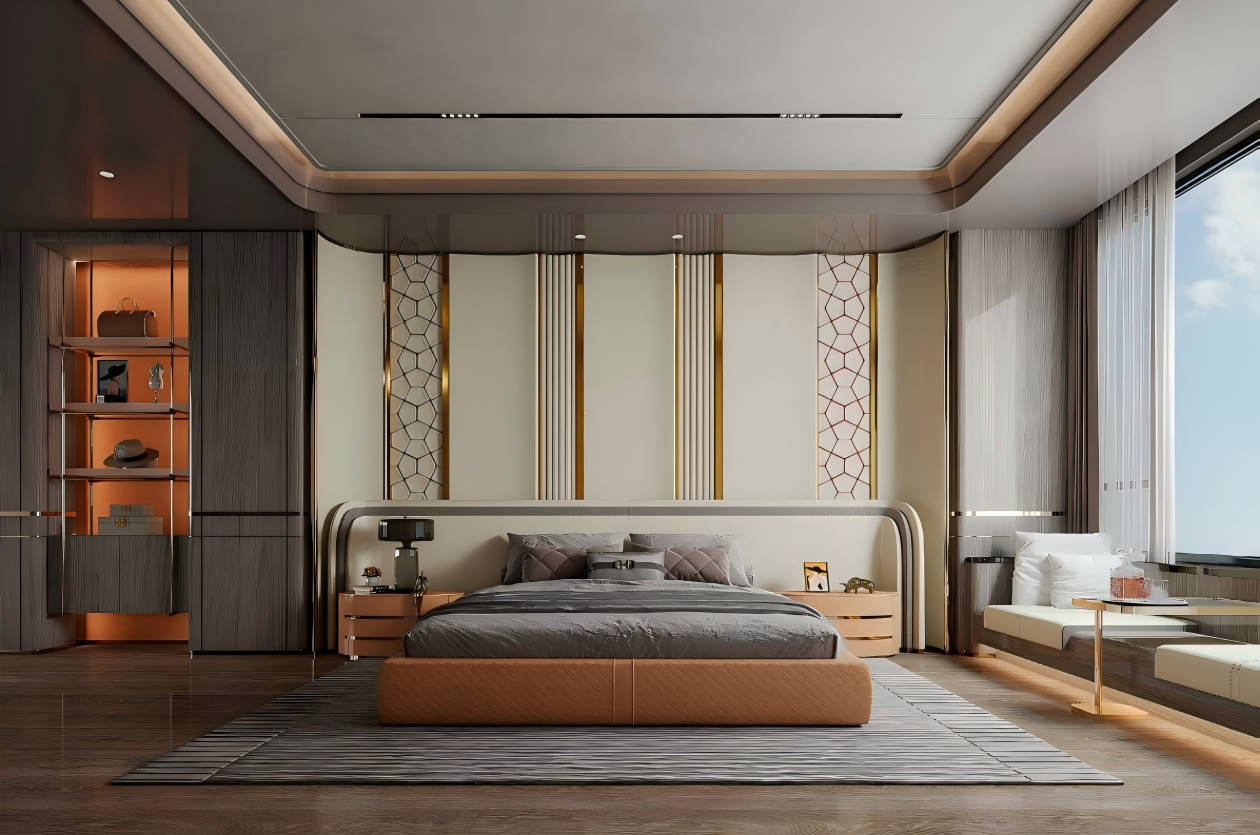
Mass production demands incredible physical durability from your primary tooling equipment. Manufacturers typically utilize P20 or H13 grade steel for these demanding applications. P20 is pre-hardened and handles medium to high volumes exceptionally well. H13 undergoes intense thermal hardening for maximum industrial endurance. These robust materials deliver exceptional long-term performance. You can easily exceed one million injection cycles without major degradation. Hardened steel confidently holds massive high-pressure injection forces. It also supports highly complex chemical etching procedures. You need this specific feature to create intricate wood grain or 3D geometric textures on the final background wall.
Sometimes you need to test a specific market before committing massive capital resources. QC-10 aluminum serves as the ideal material for initial pilot runs. It is also perfect for niche commercial installations requiring strictly low volumes. Aluminum machines significantly faster than hardened steel alloys. This physical characteristic translates to much faster lead times. You can receive initial physical samples in days or weeks instead of several months. However, aluminum presents strict manufacturing limitations. It offers a very short production lifespan. It is also highly vulnerable to aggressive, abrasive resins. Glass-filled polymers will erode an aluminum cavity wall very quickly.
Modern interior design often demands complex material combinations in a single panel. Co-injection allows you to integrate rigid structural substrates with soft-touch acoustic layers. You can mold a tough structural backer and an acoustic outer layer in a single tool. This advanced engineering process completely eliminates expensive secondary manual assembly operations. You do not need messy adhesives or manual labor to join the parts. The primary trade-off is an intense increase in engineering complexity. Designing a rotating or indexing multi-component tool requires immense technical skill. It also significantly increases your initial capital investment budget.
Below is a comparative breakdown of these core manufacturing strategies to guide your sourcing decisions.
Tooling Technology | Primary Material Base | Ideal Production Application | Estimated Lead Time | Expected Cycle Life |
|---|---|---|---|---|
Dedicated Steel Tooling | P20 / H13 Hardened Steel | High-volume mass production | 8 to 12 Weeks | 1,000,000+ Shots |
Soft Tooling | QC-10 Grade Aluminum | Pilot testing, low volume runs | 2 to 4 Weeks | 10,000 - 50,000 Shots |
Multi-Component Injection | Specialty Steel Alloys | Integrated multi-material panels | 12 to 16 Weeks | 500,000+ Shots |
You can optimize your capital investments dramatically by utilizing modular tooling systems. The core concept involves investing deeply in a single, robust master mold base. This massive steel block contains the sprue, runners, and structural support frames. You then machine distinct interchangeable inserts for the cavity and core sections. When you need a brand-new panel design, you do not buy a whole new tool. You only manufacture new specific interchangeable inserts. The expensive master base remains securely inside the injection press.
Interior design aesthetic trends change rapidly year over year. Manufacturers must adapt to these shifting aesthetic demands swiftly. Modular systems allow you to introduce new background wall designs incredibly fast. You might start out producing a flat matte panel. Later, the architectural market demands fluted or ribbed textures. You simply swap the interchangeable cavity plates to create the new physical pattern. This insert swap takes mere hours instead of weeks. It dramatically accelerates your time to market for fresh, profitable product lines.
Heavy production takes a severe toll on industrial equipment over time. Physical wear and tear are inevitable in high-pressure injection molding. Modular tooling intelligently localizes this physical degradation. Damage usually occurs in high-friction areas like gates or shut-off valves. With a modular setup, you perform highly targeted mechanical maintenance. You remove and replace a single worn insert quickly. You never have to refurbish the entire massive steel tool. This targeted strategy minimizes costly downtime and keeps your production lines running smoothly.
To fully leverage this strategy, familiarize yourself with the standard interchangeable components:
Cavity Plates: These blocks control the primary visible texture and outward-facing geometry of the wall panel.
Core Pins: These elements form the internal mounting holes and structural alignment guides on the panel's rear surface.
Gate Inserts: These small modules manage the high-pressure flow of molten plastic into the main cavity area.
Ejector Sleeves: These mechanisms push the finalized part out without leaving visible marks on the aesthetic display surface.
Selecting the right manufacturing partner dictates your project's ultimate commercial success. You must evaluate prospective vendors across several critical engineering dimensions.
Surface Finish Capabilities: Assess the partner's ability to execute precise aesthetic standards. Interior design applications require absolutely flawless surfaces. Ensure they can achieve specific VDI or SPI polishing finishes. Ask to see physical examples of their custom etched textures. A minor polishing error will permanently ruin the reflective quality of a high-gloss wall panel.
Cooling Channel Engineering: Evaluate how the proposed design incorporates conformal cooling techniques. Background wall panels often feature extremely thick rear mounting ribs. These thick sections retain heat much longer than thin flat areas. Conformal cooling channels precisely hug the complex 3D geometry of the part. They pull heat away evenly and rapidly. This advanced thermal management prevents thick-walled architectural panels from warping or developing ugly sink marks.
Ejection System Design: Ejector pins physically push the hardened plastic part out of the steel cavity. They almost always leave a faint circular stress mark. Your engineering evaluation must scrutinize parting line placement and ejector pin locations. These mechanical marks must be entirely hidden from the consumer. Vendors must localize them strictly to non-visible rear edges of the background wall panel.
Material Compatibility: You must match the tooling grade directly to your selected panel resin. Different polymers behave quite uniquely under immense pressure. ABS, Polycarbonate, and PVC have specific, distinct shrinkage rates as they cool. Your partner must calculate this shrinkage accurately before cutting any steel. They must also account for material abrasiveness. Glass-reinforced polycarbonate will destroy unhardened steel cavities very quickly.
You must mandate rigorous software simulations before cutting any raw steel. Design for Manufacturability (DFM) analysis is a strict non-negotiable step. Software platforms visually predict exactly how molten plastic fills the complex cavity. It highlights dangerous potential air traps inside the geometry. It shows exactly where weak weld lines will form as plastic flow fronts meet. DFM identifies dangerous stress concentrations inherent in large, flat architectural wall panels. Fixing these structural issues on a computer screen costs almost nothing. Fixing them later in solid steel costs tens of thousands of dollars.
You must establish a strict modification process moving from initial trials to final production. T0 stands for the very first tool trial. First Article Inspection (FAI) rigorously evaluates these initial physical plastic samples. You must understand a hard industry truth immediately. Initial T0 samples rarely meet final aesthetic interior requirements on the first try. They almost always require minor tooling adjustments. You might need to widen a gate size or polish a rough structural corner. Expect this iterative process. Plan your budget for subsequent trials to perfect the aesthetic output.
Unrealistic schedules consistently ruin manufacturing launches. You must provide your executive team with a realistic look at lead times. Creating high-quality steel cavities typically takes anywhere from 4 to 12 weeks. This wide variance depends entirely on component complexity. A simple flat panel takes roughly four weeks. A heavily textured acoustic panel takes a full twelve weeks. You must also factor in international shipping and customs delays. If you use offshore tooling partners, ocean transport adds weeks to the calendar. Buffer your production schedule accordingly to absorb these realities.
Strategic tooling procurement dictates the long-term profitability of your panel manufacturing operation. It represents a fundamental business decision requiring careful financial balance. You must weigh heavy upfront capital costs against the promise of scalable, defect-free production. Successful manufacturers do not cut corners during this critical initial phase.
Buyers should evaluate tooling partners strictly on their engineering transparency and communication. Prioritize vendors who excel at comprehensive DFM processes and fluid thermal analysis. Demand proven, verifiable experience with large-format interior architectural panels. Post-sales modification support is equally vital for handling unforeseen design iterations gracefully.
Your next step involves practical validation of your specific geometry. We strongly encourage you to request a comprehensive DFM review from prospective partners. Alternatively, submit your 3D CAD model directly to them today. This immediate action initiates a detailed tooling feasibility study. It gives you the concrete engineering data needed to move forward confidently and profitably.
A: Typically 4-8 weeks for standard panels, extending to 10-12 weeks for highly textured or multi-component molds, including T0 testing.
A: Yes, if removing material ("steel safe" modifications). Adding material is complex and costly. Using a modular mold base with inserts makes design iterations much easier.
A: Sink marks occur due to uneven cooling in thick sections (like mounting ribs). Precise mold opening addresses this via optimized gate sizing, conformal cooling channels, and proper rib-to-wall thickness ratios during the DFM stage.


